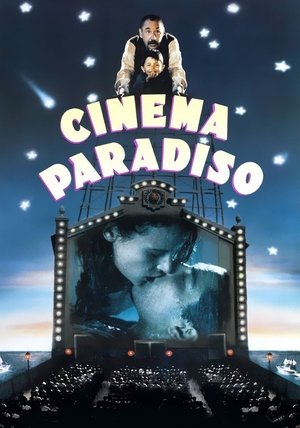

Cinema Paradiso (1988) Synopsis — A Nostalgic Journey into the Heart of Cinema and Life
Synopsis of Cinema Paradiso (1988)
Cinema Paradiso (1988), an original story from director Giuseppe Tornatore, is a tender and deeply moving Italian-French drama that masterfully blends romance and coming-of-age themes. The film unfolds as a poignant flashback, chronicling the life of a successful filmmaker, Salvatore Di Vita, as he is haunted by memories of his childhood in a small Sicilian village. This classic film adaptation transports audiences back to a time when movie theaters were the vibrant heart of communities, and the magic of the silver screen offered an escape and a source of wonder.
The central narrative of Cinema Paradiso (1988) revolves around young Toto, played brilliantly by Salvatore Cascio, and his burgeoning love affair with the cinema. Toto’s world is confined to his small Sicilian town, but his imagination soars within the walls of the local movie theater, the Nuovo Cinema Paradiso. His life takes a significant turn when he forms an unlikely and profound friendship with the theater’s projectionist, Alfredo, portrayed by the legendary Philippe Noiret. This compassionate and comforting bond between the boy and the older man becomes the emotional anchor of the story, exploring a powerful parent-child relationship that transcends biology.
The film’s central conflict arises from the clash between the innocence of youth and the harsh realities of life, set against the backdrop of a changing Italy. Through Toto’s eyes, we witness the joys and heartbreaks of his Sicilian upbringing, the censorship imposed on films by the local priest, and the magnetic pull of the magic realism that cinema offers. As Toto grows, he grapples with ambition, love, and the inevitable pain of leaving his past behind. The emotional stakes are incredibly high, as Toto’s journey is one of self-discovery and the enduring impact of cherished memories, particularly his connection to Alfredo and the world of filmmaking.
What makes Cinema Paradiso (1988) a unique and timeless cinematic experience is its ability to evoke a powerful sense of nostalgia for a bygone era while simultaneously exploring universal themes of love, loss, and the transformative power of art. Unlike many contemporary films, its pacing is deliberate, allowing the audience to fully immerse themselves in the rich atmosphere of post-war Sicily and the enchanting world of the movie theater. The film’s enduring appeal lies in its raw emotional honesty and its celebration of the simple yet profound connections that shape our lives.
Plot of Cinema Paradiso — A Gripping Story
The plot of Cinema Paradiso (1988) begins with the present-day Salvatore Di Vita, now a famous and acclaimed filmmaker, receiving news that prompts him to reflect on his past. This news triggers a cascade of memories, sending him back to his childhood in Giancaldo, Sicily, in the immediate aftermath of World War II. Here, he was known as Toto, a bright and inquisitive boy who found solace and excitement in the local movie palace, the Nuovo Cinema Paradiso. His fascination with the flickering images on screen led him to Alfredo, the gruff but kind-hearted projectionist, who became a surrogate father figure and a mentor to the young boy.
Their relationship is central to the unfolding story. Alfredo teaches Toto the intricacies of the projection booth, the magic of filmmaking, and the importance of dreaming. Together, they navigate the joys of film – from exhilarating adventures to passionate romances – and the challenges of their small town, including the local priest’s strict censorship of kissing scenes, which Alfredo secretly saves for Toto. Toto’s coming-of-age is intricately woven with his growing passion for cinema and his deep admiration for Alfredo. As Toto matures, he yearns for a life beyond the confines of his village, a desire fueled by the very films he watches and by Alfredo’s encouragement, leading to a pivotal moment that will forever alter his path.
The narrative skillfully uses flashback techniques to explore Toto’s adolescence and young adulthood, showcasing his first experiences with love and the growing pains of leaving home. The film doesn’t shy away from the complexities of life, depicting both the comforting and the heartbreaking aspects of memory. The emotional core lies in the enduring legacy of Alfredo’s guidance and the indelible mark the Nuovo Cinema Paradiso left on Salvatore’s soul. This beloved Italian film adaptation offers a rich tapestry of life, love, and the indelible magic of the movies, making it a truly unforgettable viewing experience.
Interesting Facts About Cinema Paradiso
- Cinema Paradiso (1988) is an original screenplay by director Giuseppe Tornatore, not based on a novel or any existing material.
- The film won the Academy Award for Best Foreign Language Film in 1990, bringing international acclaim to Italian cinema.
- The iconic final scene, where Salvatore watches a montage of censored kisses, was originally conceived by Tornatore as a way to show the true essence of love and passion that was removed by censorship.
- The role of Alfredo was initially offered to Marcello Mastroianni, but he declined, leading to Philippe Noiret’s memorable performance.
- Director Giuseppe Tornatore filmed two endings for the movie: one happy and one sad. The happier ending, the one most audiences know, was chosen for international release.
Why You Should Watch Cinema Paradiso (1988)
Cinema Paradiso (1988) is a cinematic masterpiece that resonates with audiences of all ages. Its enduring popularity stems from its universal themes of love, friendship, memory, and the profound impact of childhood experiences. The film is a beautiful tribute to the magic of cinema itself, celebrating how movies can inspire, comfort, and shape our understanding of the world and ourselves. The heartfelt parent-child relationship between Toto and Alfredo is particularly moving, offering a compassionate portrayal of mentorship and surrogate fatherhood that is both touching and inspiring.
For anyone who has ever felt the magic of a film, been moved by a nostalgic memory, or cherished a significant friendship, Cinema Paradiso (1988) offers a deeply satisfying and emotionally rich experience. It’s a film that reminds us of the importance of our past, the beauty of simple joys, and the enduring power of human connection. Its timeless story, stunning cinematography, and unforgettable score make it a must-watch for film lovers and anyone seeking a story that will warm their heart and linger long after the credits roll.
Cast of Cinema Paradiso (1988)
| Actor | Role |
|---|---|
| Philippe Noiret | Alfredo |
| Jacques Perrin | Salvatore ‘Totò’ Di Vita (adult) |
| Marco Leonardi | Salvatore ‘Totò’ Di Vita (teen) |
| Salvatore Cascio | Salvatore ‘Totò’ Di Vita (child) |
| Agnese Nano | Elena Mendola (teen) / Elena’s daughter (in Director’s cut) |
| Antonella Attili | Maria Di Vita (young) |
| Pupella Maggio | Maria Di Vita (aged) |
| Enzo Cannavale | Spaccafico |
| Isa Danieli | Anna |
| Leo Gullotta | Ignazio, usher |
Original title: Nuovo Cinema Paradiso